Exploring the Benefits of Cold Rolled Steel in Automotive Applications
Understanding Cold Rolled Steel
What is Cold Rolled Steel?
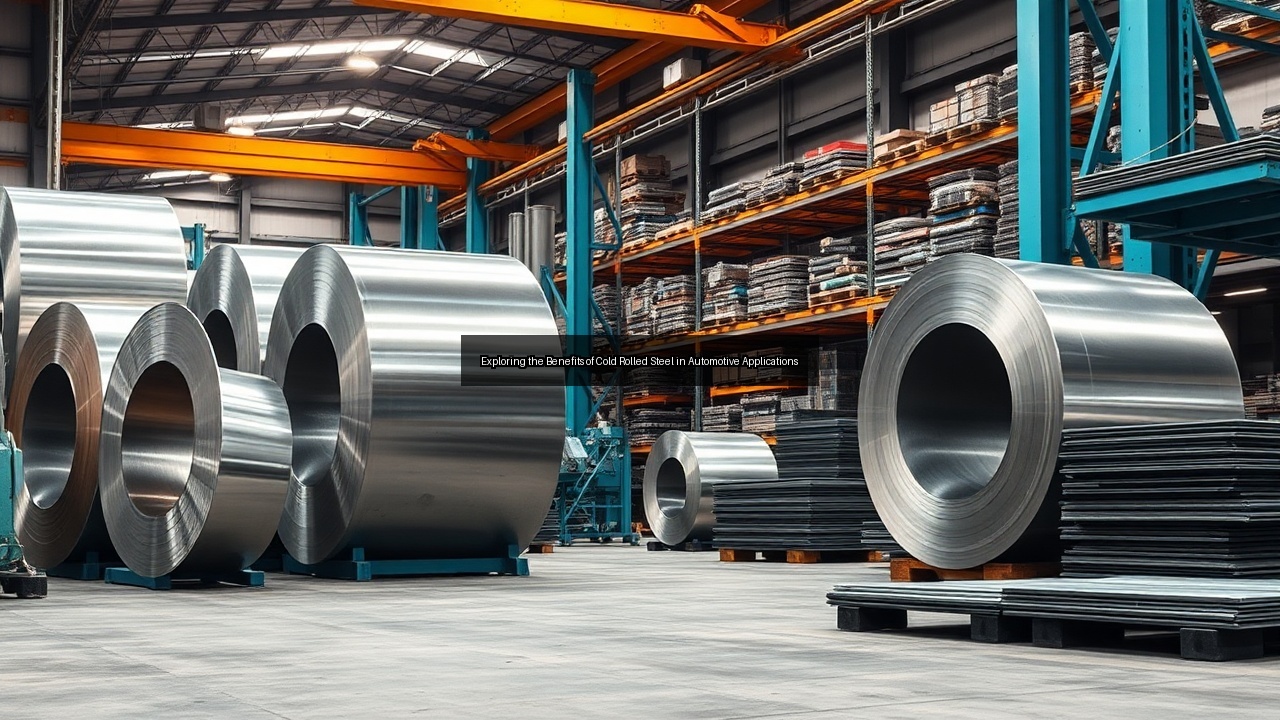
Cold rolled steel forms through processing at room temperature after initial hot rolling. Manufacturers compress steel coils or sheets to achieve tighter tolerances and consistent thickness. This material serves automotive fabricators who need precise dimensions for body panels and structural components. Steel distribution companies stock cold rolled steel alongside carbon steel and galvanized steel to meet demands from construction and oil and gas sectors. Experts at a steel distributor often highlight how this product delivers superior flatness compared to hot rolled alternatives. Fabricators in California rely on local suppliers for quick access to various gauge options that fit specific design requirements. In practice, cold rolled steel typically ranges from 0.5 mm to 3 mm in thickness for automotive use, allowing engineers to optimize weight without compromising structural integrity in vehicles ranging from sedans to heavy-duty trucks.
Production Process of Cold Rolled Steel
The production process begins with hot rolled steel coil that undergoes pickling to remove scale. Rollers then reduce thickness under high pressure in multiple passes at ambient temperatures. Annealing follows to restore ductility while maintaining strength. Steel distribution networks coordinate with mills to deliver finished steel coil to automotive plants and aerospace facilities. Distributors track inventory of bar stock and sheet products to support fabricators who use waterjet cutting for custom parts. This controlled sequence produces metals with uniform properties that outperform basic hot rolled grades in demanding applications. Additional steps often include temper rolling to fine-tune surface texture and mechanical properties, ensuring the steel meets exacting standards for formability in complex stampings. Mills frequently employ continuous annealing lines that heat and cool coils in controlled atmospheres, resulting in consistent grain structures that enhance fatigue resistance over thousands of load cycles in vehicle chassis components.
Key Properties of Cold Rolled Steel
Cold rolled steel exhibits higher yield strength and improved surface quality due to work hardening. Its tighter gauge tolerances reduce waste during stamping operations common in automotive manufacturing. The material also offers better paint adhesion and weldability than many competing options. Steel distributors emphasize these traits when supplying alloy steel or stainless steel alternatives for specialized needs. Fabricators appreciate the consistent mechanical performance across batches, which supports reliable assembly lines. In aerospace and oil and gas projects, these properties translate to lighter yet durable components that withstand stress without added weight. Yield strengths commonly reach 300-500 MPa in standard grades, with surface roughness values controlled to Ra 0.8-1.6 micrometers for optimal coating performance. This consistency minimizes variations in elongation and tensile strength, critical for safety-critical parts like door beams and roof rails that must perform uniformly across production runs exceeding 100,000 units.
Advantages of Cold Rolled Steel for Automotive Applications
Enhanced Strength and Durability
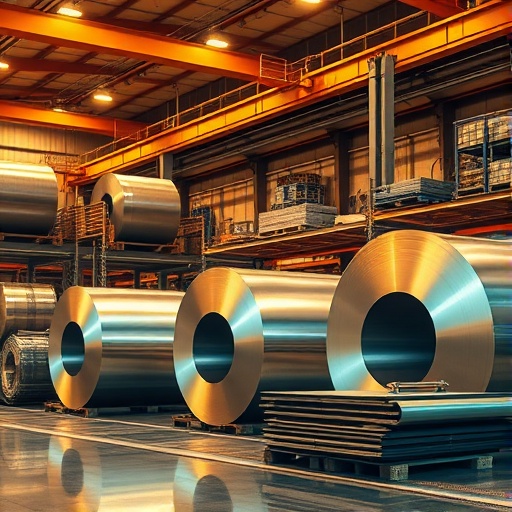
Enhanced strength allows automotive engineers to design thinner panels that maintain crash performance. Cold rolled steel resists deformation better than standard carbon steel, extending vehicle lifespan under daily use. Steel distribution companies deliver high-strength grades that meet evolving safety standards. Distributors work closely with fabricators to ensure timely steel supply for high-volume production. This durability reduces repair frequency and supports long-term reliability in passenger cars and commercial trucks alike. Advanced high-strength variants achieve yield strengths above 600 MPa through controlled rolling and annealing, enabling down-gauging by up to 20 percent while preserving energy absorption during frontal and side-impact collisions. Long-term exposure testing shows these grades maintain structural integrity after 10-15 years of corrosion-protected service in varied climates.
Improved Surface Finish
Improved surface finish eliminates the need for extensive secondary grinding before painting or coating. Automotive plants achieve smoother exteriors that enhance visual appeal and corrosion resistance when paired with galvanized steel layers. Steel distributors provide coils with controlled roughness values tailored to specific finishing processes. Fabricators using waterjet cutting benefit from clean edges that integrate seamlessly into final assemblies. This quality reduces overall production time and material handling costs across the supply chain. Typical surface finishes support direct application of electrocoats and primers, achieving Class A paint quality with minimal orange peel or defects visible under high-intensity inspection lighting used in modern assembly plants.
Cost-Effectiveness in Manufacturing
Cost-effectiveness arises from reduced scrap rates and faster forming cycles. Automotive manufacturers lower tooling expenses because cold rolled steel maintains dimensional stability during stamping. Steel distribution companies optimize logistics to cut delivery delays that disrupt assembly schedules. Suppliers track steel supply trends to offer competitive pricing on sheet and coil products. Fabricators report measurable savings when switching from alloy steel or stainless steel in non-critical body sections without sacrificing performance. Just-in-time delivery programs from regional warehouses can reduce inventory carrying costs by 15-25 percent, while the material's excellent formability allows higher press speeds and fewer die maintenance interventions over production cycles.
Comparative Analysis: Cold Rolled Steel vs. Other Steel Types
Cold Rolled Steel vs. Carbon Steel
Cold rolled steel surpasses basic carbon steel in surface quality and strength consistency. Carbon steel often requires additional processing for automotive use, increasing labor and time. Steel distributors recommend cold rolled grades when fabricators need tighter tolerances for precision parts. The comparison highlights how cold rolled options reduce finishing steps while maintaining affordability. Automotive teams select it over standard carbon steel for exterior panels that demand both strength and aesthetics. In contrast to hot-rolled carbon variants with thickness variations up to ±0.2 mm, cold rolled products hold tolerances within ±0.05 mm, directly translating to improved fit and finish in body-in-white assembly.
Cold Rolled Steel vs. Stainless Steel
Stainless steel provides superior corrosion resistance but at higher cost and weight. Cold rolled steel meets most automotive structural needs with proper coatings while keeping expenses lower. Steel distribution companies balance inventories of both metals to serve diverse client requirements. Fabricators choose cold rolled steel for interior frames where stainless properties add unnecessary expense. Distributors advise on hybrid applications where stainless accents combine with cold rolled bases for optimal value. Typical cost differentials show cold rolled steel at 30-50 percent lower per kilogram, making it the practical choice for volume-produced components where aesthetic or environmental exposure remains moderate.
Cold Rolled Steel vs. Alloy Steel
Alloy steel incorporates elements for specialized hardness yet demands more complex heat treatment. Cold rolled steel delivers adequate performance for many automotive components at simpler processing stages. Steel distributors guide buyers toward cold rolled products when projects prioritize speed and cost over extreme properties. Fabricators in aerospace sometimes blend both, using alloy steel for high-stress zones and cold rolled steel for broader structures. This flexibility supports efficient steel supply management across industries. Alloy additions like chromium or molybdenum increase material costs significantly, whereas cold rolled carbon-manganese grades provide balanced strength-to-weight ratios suitable for 70-80 percent of typical vehicle structural applications.
Cold Rolled Steel in the Steel Distribution Network
Role of Steel Distributors in Automotive Supply
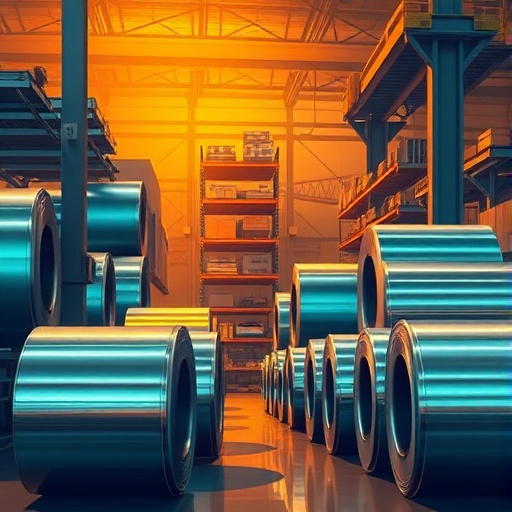
Steel distributors act as critical links between mills and automotive manufacturers. They maintain stock of cold rolled steel coil and sheet to fulfill just-in-time orders. Distributors coordinate with fabricators on gauge specifications and delivery schedules that align with production peaks. Steel distribution companies also handle logistics for related metals used in oil and gas equipment and construction projects. This network ensures uninterrupted steel supply that keeps assembly lines running smoothly. Modern distributors employ ERP systems to forecast demand fluctuations tied to vehicle model-year changes, maintaining buffer stocks that prevent line stoppages costing manufacturers thousands per minute.
Key Players in Steel Distribution Companies
Key players in steel distribution companies invest in advanced inventory systems and regional warehouses. Experts at these firms advise automotive clients on selecting cold rolled steel versus stainless or alloy alternatives. Distributors in California often emphasize rapid response times for fabricators needing waterjet cutting services. Steel distribution networks connect global mills with local suppliers to stabilize pricing and availability. Their expertise helps clients navigate fluctuating demand in automotive and aerospace markets. Regional centers strategically located near major assembly plants can deliver coils within 24-48 hours, supporting lean manufacturing principles and reducing reliance on distant mill direct shipments.
Impact of Steel Supply on Automotive Manufacturing
Steel supply reliability directly influences production output and vehicle pricing. Disruptions in cold rolled steel availability force automotive plants to delay launches or seek costly alternatives. Steel distributors mitigate risks by diversifying sources and monitoring market trends. Fabricators depend on consistent bar stock and coil deliveries to meet quality benchmarks. Effective steel distribution supports broader economic activity tied to transportation and related sectors. Historical supply chain events demonstrate that even short-term shortages can increase vehicle prices by several hundred dollars per unit due to expedited sourcing and production rescheduling.
Future Trends in Cold Rolled Steel for Automotive and Aerospace
Innovations in Cold Rolled Steel Applications
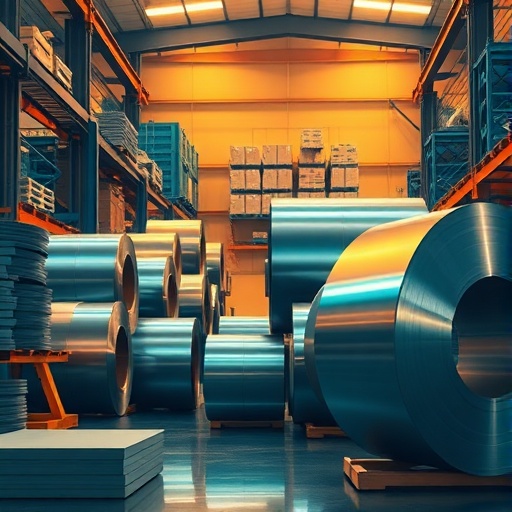
Innovations include advanced high-strength cold rolled grades that enable lighter vehicle designs. Automotive engineers integrate these materials into electric car frames for improved range. Steel distribution companies introduce new coil formats compatible with automated stamping lines. Fabricators explore waterjet cutting techniques to create complex shapes from cold rolled sheet without heat distortion. These advances position cold rolled steel as a preferred choice for next-generation mobility solutions. Emerging grades incorporate micro-alloying for enhanced bake-hardening responses during paint curing, further boosting final part strength in electric vehicle battery enclosures and structural reinforcements.
Sustainability in Steel Production
Sustainability efforts focus on recycling scrap into new cold rolled steel coils with lower carbon footprints. Steel distributors promote closed-loop systems that return manufacturing waste to mills. Automotive companies adopt these greener options to meet regulatory targets. Fabricators in construction and aerospace benefit from reduced environmental impact while maintaining performance standards. Steel distribution networks track certified sustainable products to support client compliance goals. Many mills now achieve over 90 percent recycled content in cold rolled products, cutting CO2 emissions by 30-50 percent compared with traditional blast furnace routes while preserving mechanical properties essential for safety certifications.
Role of Cold Rolled Steel in Advanced Manufacturing Techniques
Advanced manufacturing techniques such as additive hybrid processes leverage cold rolled steel for base structures. Automotive and aerospace firms combine it with precision machining for weight-optimized parts. Steel distributors supply specialized gauges that fit robotic welding and forming cells. Experts note growing adoption in California facilities where fabricators test new alloy blends. This integration strengthens steel supply chains and drives efficiency across multiple industries. Hybrid approaches using cold rolled blanks as substrates for laser cladding or friction stir processing allow localized property enhancements without full-component material changes, reducing both weight and overall production complexity in next-generation vehicle platforms.