Innovative Technologies Transforming the Plastics Industry Today
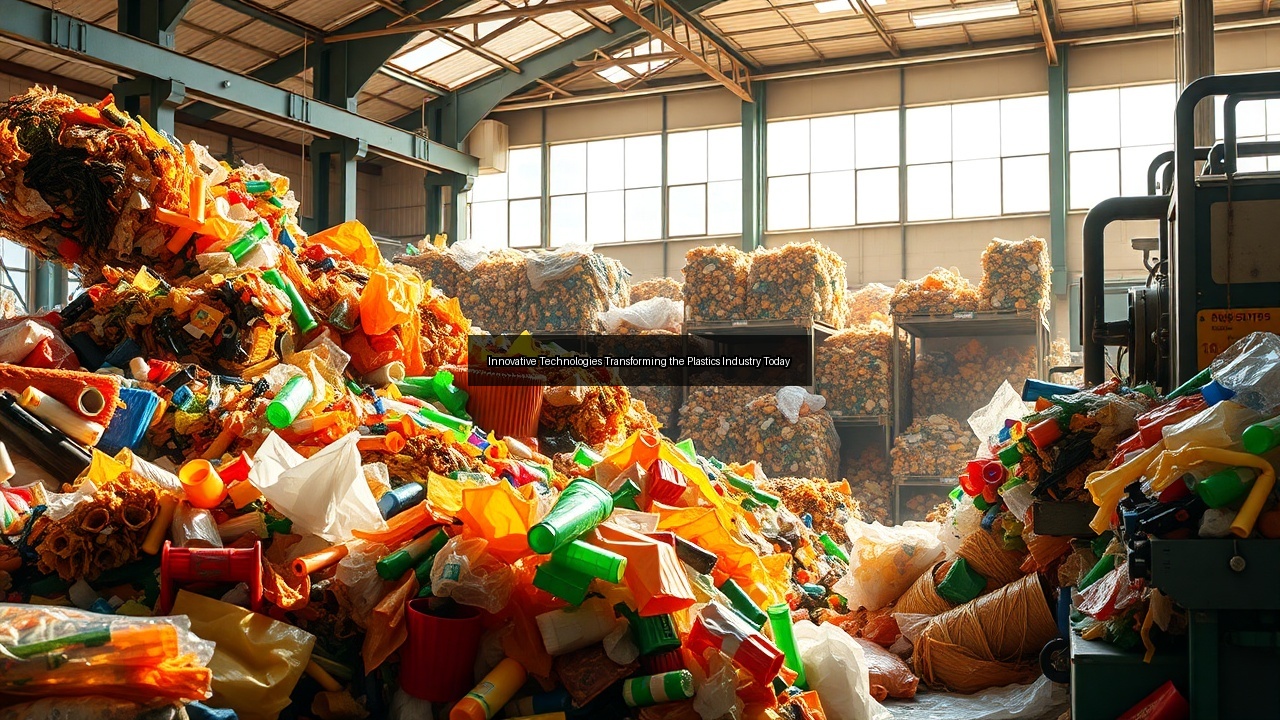
Revolutionizing the Plastics Industry with Innovative Technologies
Emerging Trends in Plastic Fabrication
The plastics industry is undergoing a significant transformation driven by innovative technologies in plastic fabrication. Advanced manufacturing techniques, such as additive manufacturing and 3D printing, have revolutionized how plastic products are created. Companies now utilize these methods to produce intricate designs with reduced waste, allowing for greater flexibility and customization. This shift not only enhances design possibilities but also minimizes the energy consumed during production, aligning with sustainability goals. For those searching for “plastic fabrication nearby,” options abound as local manufacturers invest in these cutting-edge technologies to meet rising consumer demands.
Additionally, automation plays a vital role in modern plastic fabrication. The integration of robotics enhances precision in machining and assembly processes, resulting in faster production times and improved product quality. Businesses leveraging automation can respond to market changes swiftly, producing small batches or large volumes as needed. Moreover, the evolution of engineered plastics, which offer superior strength and lighter weight, has opened new avenues for various industries, including automotive, aerospace, and consumer goods. With such advancements, the future of plastic fabrication looks promising, making it a vital area of exploration for businesses and consumers alike.
The Role of Engineered Plastics in Modern Manufacturing
Engineered plastics have become indispensable in modern manufacturing, offering enhanced performance and durability compared to traditional materials. Composed of specially formulated polymers, these materials, including polycarbonate and Lexan polycarbonate, exhibit remarkable strength, heat resistance, and lightweight characteristics. Industries are increasingly adopting engineered plastics for applications ranging from automotive components to electronic housings, where reliability is crucial. For individuals looking for “engineered plastics near me,” numerous suppliers provide a range of options tailored to specific needs.
The versatility of engineered plastics also promotes engineered plastics near me innovative design solutions. Their ability to be molded into complex shapes allows for the creation of lightweight yet robust products. This characteristic helps manufacturers reduce costs associated with shipping and installation. Furthermore, these materials often exhibit excellent chemical resistance, making them suitable for challenging environments. As manufacturers seek to improve operational efficiency and product longevity, the demand for engineered plastics continues to rise, solidifying their role in the plastics industry.
Advancements in Polymer Technology
Advancements in polymer technology significantly impact the plastics industry, driving improvements in material properties and performance. Innovations in polymer chemistry have led to the development of high-performance plastics that can withstand extreme temperatures and harsh chemical environments. These advancements enable the creation of materials engineered plastics near me suitable for demanding applications, such as aerospace and medical devices, where safety and reliability are paramount. Consumers searching for “plastics” and “plastic products nearby” will find a wide variety of options that leverage these cutting-edge developments.
Research into bio-based and biodegradable polymers is another exciting area of advancement. These materials offer a sustainable alternative to conventional plastics, addressing the pressing issue of plastic pollution. The ability to produce plastics from renewable resources marks a significant step toward reducing our reliance on fossil fuels. As the demand for sustainability grows, manufacturers increasingly focus on creating products that not only perform well but also minimize environmental impact. The ongoing exploration of polymer technology ensures the plastics industry remains dynamic and responsive to the needs of consumers and the planet.
Sustainable Solutions: Recycling and Resource Recovery
Innovations in Plastic Recycling Processes
Innovations in plastic recycling processes are reshaping the landscape of waste management and resource recovery. Traditional recycling methods often struggle to handle the variety and complexity of plastic materials, leading to significant amounts of plastic waste. However, new technologies are emerging that improve the efficiency and effectiveness of recycling plastics. Advanced sorting technologies, such as infrared spectroscopy and AI-driven systems, enable better identification and separation of different plastic types, enhancing the quality of recycled materials.
Moreover, chemical recycling processes allow for the breakdown of plastics into their original monomers, facilitating the creation of high-quality recycled plastics. This method overcomes limitations associated with mechanical recycling, which can degrade material properties. By exploring these innovative recycling techniques, businesses can reduce their environmental footprint and promote a circular economy. Communities, including Santa Barbara County, are increasingly embracing these technologies to enhance local waste management initiatives, ensuring that valuable resources are recovered and reused rather than ending up in landfills.
The Impact of Recycled Plastics on Waste Management
The integration of recycled plastics into manufacturing processes has a profound impact on waste management. By utilizing recycled materials, companies can significantly reduce their reliance on virgin plastics, contributing to lower carbon emissions and resource conservation. This shift not only helps mitigate the environmental effects of plastic pollution but also promotes economic growth within the recycling sector. Businesses embracing recycled plastics can capitalize on the growing consumer demand for sustainable products, positioning themselves as leaders in the green economy.
Recycled plastics also offer versatility in applications, enabling their use in various industries, from packaging to automotive parts. The successful incorporation of recycled materials enhances product sustainability without sacrificing quality or performance. Communities like Santa Barbara County exemplify the positive effects of recycling initiatives, showcasing how effective waste management strategies can lead to a cleaner environment and a reduction in plastic waste. As awareness of plastic pollution grows, the importance of recycling and utilizing recycled plastics in manufacturing becomes increasingly evident.
Case Studies: Successful Recycling Initiatives in Santa Barbara County
Santa Barbara County serves as a model for successful recycling initiatives that effectively address plastic waste. Local programs focus on educating residents about the importance of recycling and resource recovery, promoting active participation in waste reduction efforts. The county has implemented convenient recycling services, making it easy for residents to recycle various plastic types, including PET and HDPE. These initiatives have led to significant increases in recycling rates, demonstrating the community's commitment to sustainability.
One notable program involves partnerships with local businesses to encourage the use of recycled materials in their operations. By providing incentives for companies to incorporate recycled plastics into their products, Santa Barbara County fosters a circular economy that benefits both the environment and the local economy. Additionally, the county actively supports events that raise awareness about plastic pollution and the importance of reducing single-use plastics, such as plastic bags. These comprehensive efforts illustrate the potential for communities to lead the way in recycling and waste management, setting an example for others to follow.
Addressing Plastic Pollution Through Technological Advances
Technologies Combatting Plastic Waste
Technological advances play a critical role in combatting plastic waste and reducing its environmental impact. Innovative solutions range from improved waste collection systems to advanced recycling technologies that convert plastic waste into valuable resources. For example, AI and machine learning are revolutionizing waste management by optimizing routes for collection trucks, ensuring that waste is efficiently collected and processed.
Moreover, innovative startups are developing technologies that transform plastic waste into usable products, such as fuels or new materials. These approaches not only help alleviate the burden of plastic waste but also provide alternative resources that can benefit various industries. As these technologies develop, they contribute to a broader movement toward sustainability and waste reduction, ensuring that communities can manage plastic waste more effectively.
The Future of Biodegradable Plastics
The future of biodegradable plastics looks promising, offering a sustainable alternative to conventional plastics that often end up in landfills. Biodegradable plastics, derived from renewable resources, break down more quickly in the environment, reducing their long-term impact on ecosystems. The development of new materials that mimic the properties of traditional plastics while offering biodegradability enhances their potential for widespread adoption.
As consumers become more environmentally conscious, the demand for biodegradable options is expected to rise. Companies investing in research and development of biodegradable plastics are likely to gain a competitive advantage in the market. Furthermore, advancements in production processes will help lower costs, making biodegradable options accessible to a broader audience. The integration of biodegradable plastics into everyday products can significantly contribute to reducing plastic pollution and promoting a cleaner planet.
Community Efforts to Reduce Plastic Bags and Waste
Communities across America are taking proactive steps to reduce plastic bags and waste through grassroots movements and local legislation. Initiatives aimed at banning single-use plastic bags have gained momentum, encouraging residents to adopt reusable alternatives. Local governments, including those in Santa Barbara County, have enacted ordinances that restrict the distribution of plastic bags, prompting businesses to switch to eco-friendly packaging solutions.
Community education plays a vital role in these efforts. Workshops, information campaigns, and events raise awareness about the environmental consequences of plastic waste and the importance of reducing consumption. As communities unite to tackle plastic pollution, the collective impact becomes evident, demonstrating that local actions can lead to significant changes in behavior and attitudes toward plastics.
By fostering a culture of sustainability and encouraging the reuse of materials, communities can create a cleaner environment and inspire others to follow suit. These combined efforts contribute to a brighter future for the plastics industry, one that embraces innovation while prioritizing the health of our planet.